
Project Shiro
Celebrating the everyday.
Finding gratitude in the ordinary.
Project Shiro is a space for educators who work with young children, to pay close attention to the daily lives with the children.
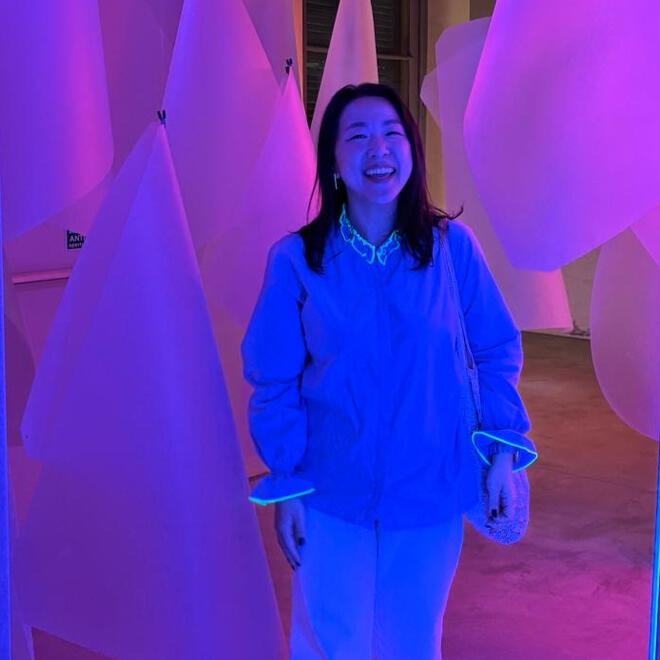
I'm Sumire Iikawa, a Japanese atelierista and pedagogical consultant based in London and Tokyo, currently deepening this work through doctoral research in Reggio childhood studies. My practice is rooted in Education through Environment from Japanese early childhood education, and the Pedagogy of Listening from Reggio Emilia, both naturally woven into my personal and professional values.
Based in London and Tokyo, I propose reflective workshops, documentation sessions and consultations to rethink together.


What is Project Shiro?
The grace of an ordinary morning.
The aliveness of things still growing.
The lightness of not yet knowing.白 (shiro - white) holds all three.
A colour of celebration across many cultures, and a quiet reminder that ordinary days are worth cherishing.
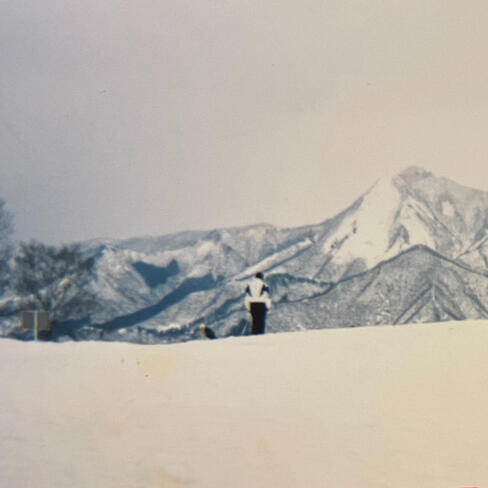
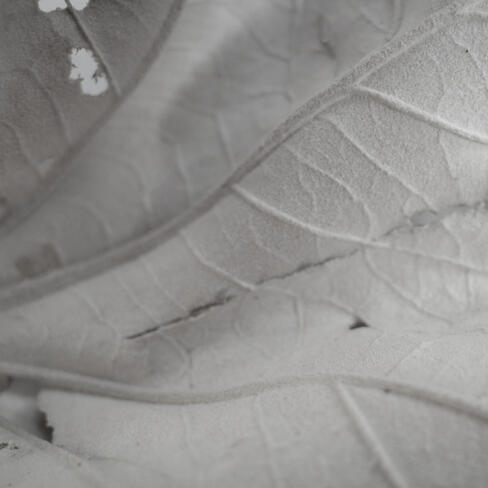
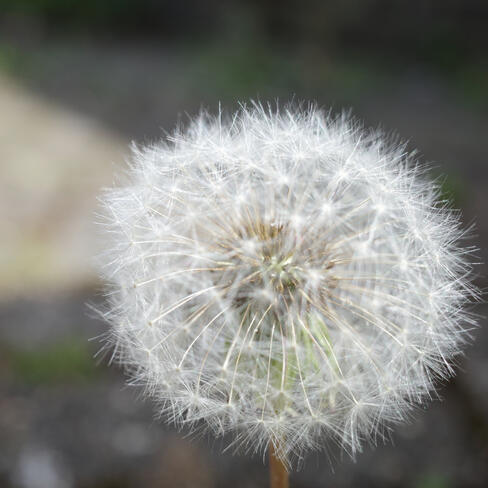
There are hundreds of different whites in the world. What is your favourite white? How do you feel when you bring it to mind?

Rainbow makes Shiro
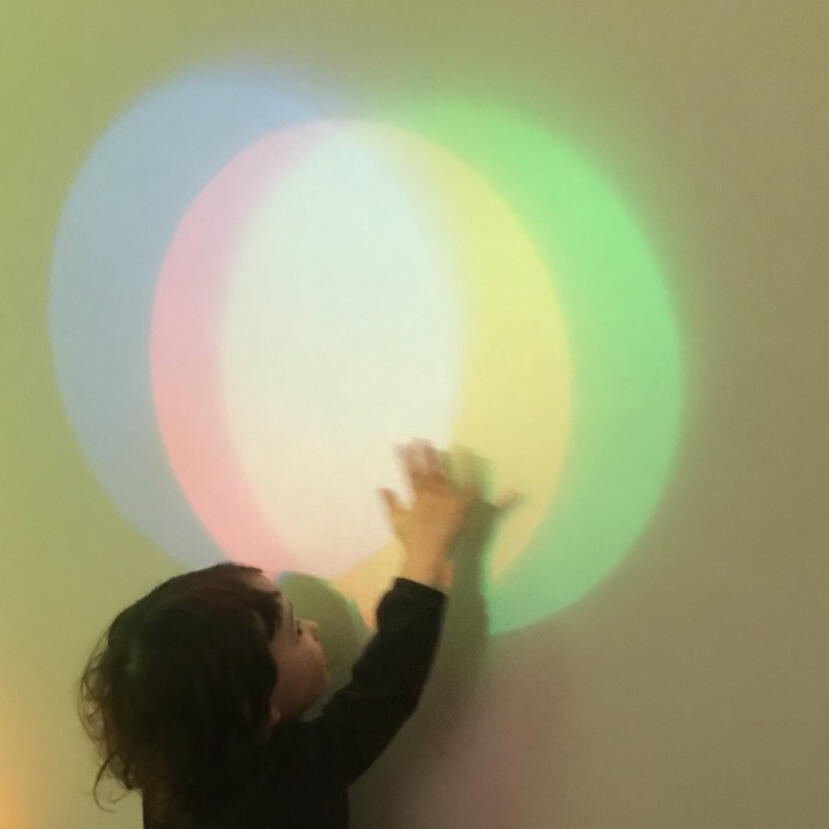
White, to me, is the overlapping of illuminated colours. Each child brings their own colour into their relationships. When those colours meet and overlap, they make white, a symbol of collaboration and shared knowledge.
Project Shiro supports educators to reconsider the meaning of materials and pedagogical documentation, and through that, to enrich the relationships children have with each other and with the world around them.
What does a democratic culture in early childhood education mean to you?
How would you like to work together, with children, with your team, with families?


Materials
Materials are how we think, exchange ideas and make meaning together. We accompany each other, the road we walk every day, trees moving in the wind, a notebook and pencil recording our thinking, all of these act upon us, if we are willing to pay attention and appreciate.
In reflective workshops, I re-introduce materials that we encounter every ordinary day. Materials speak to us in this opportunity, we listen with our eyes and think with our hands, rediscovering the possibilities of what is closest to us.
Ongoing reflection sessions using pedagogical documentation are available after workshops, to accompany your inquiry with children.
Pedagogical Documentation
Pedagogical documentation is a way of listening attentively to the children and celebrating the experiences you shared with them.We can start conversations with pedagogical documentation. Having lively experiences of children at heart, we will discover:
Why documentation?
What is documentation?
How do we use documentation?

How it works?
Book an initial online meeting. - Get in touch
We meet online or in person. We talk about your setting, your situation, what a collaboration might look like.
Online meeting. Discuss initial plan (including aims, schedule and fees.)
Workshops, reflection sessions and online conversations begin.
When our collaboration comes to a close, the journey continues, in whatever form of togetherness comes next.


Would you like to learn together?
You are more than welcome to provide feedback or ask any questions.
Project Shiro is informed by theory and practice. The project itself is evolving between research and praxis.
We are sensitive to making respectful and ethical choices in collaboration with you all.
Carolyn Edwards, Lella Gandini, G. Forman. (Ed.). (2012). The hundred languages of children : the Reggio Emilia approach, advanced reflections (3rd ed.). Ablex.
Clark, A. (2022). Slow Knowledge and the Unhurried Child: Time for Slow Pedagogies in Early Childhood Education (1st ed.). Routledge. https://doi.org/10.4324/9781003051626
Giamminuti, S., Cagliari, P., Giudici, C., & Strozzi, P. (2023). The Role of the Pedagogista in Reggio Emilia: Voices and Ideas for a Dialectic Educational Experience (1st ed.). Routledge. https://doi.org/10.4324/9781003181026
Moss, P. (2019). Alternative Narratives in Early Childhood: An Introduction for Students and Practitioners. Oxford: Routledge.https://doi.org/10.4324/9781315265247
Rinaldi, C. (2021). In Dialogue with Reggio Emilia: Listening, Researching and Learning (2nd ed.). Routledge. https://doi.org/10.4324/9780367854539
Rogoff, B. (2003). The cultural nature of human development / Barbara Rogoff. Oxford : Oxford UP. https://doi.org/10.4324/9780203317730
Saeki, Y. (2023). 子どもの遊びを考える: 「いいこと思いついた!」から見えてくること. 北大路書房.
Saito, Yuriko (2007). Everyday Aesthetics. Oxford University Press. (This is considered a cornerstone text investigating how everyday aesthetic choices impact quality of life and the world).
Sousa, D., & Moss, P. (2024). From anger to dreaming to real utopias: Re-thinking, re-conceptualising and re-forming (early childhood) education in the conditions of the times. Global Studies of Childhood, 0(0). https://doi.org/10.1177/20436106241267781
© 2026 Project Shiro.